

By The Adventure Hut | Nagpur's Trusted Outdoor & Tactical Gear Store
India is not a one-terrain country. From the dusty plains of Vidarbha to the rocky trails of the Western Ghats, the muddy forests of the Northeast, and the scorching desert tracks of Rajasthan — your boots need to handle all of it.
Whether you're an NCC cadet, a trekker, a wildlife enthusiast, or someone in security services, choosing the right tactical boots can be the difference between a confident stride and a painful blister. This guide breaks down exactly what to look for.
Why Regular Shoes Don't Cut It
Standard sports shoes are designed for controlled surfaces — roads, gym floors, synthetic tracks. Tactical boots are engineered for punishment.
When you're deep in a forest trail or standing for hours on a parade ground, you need:
- Ankle support to prevent rolls on uneven ground
- Grip that doesn't fail on wet rocks or loose soil
- Breathability in India's humid and hot climate
- Durability that lasts through regular, intense use
Key Features to Look for in Tactical Boots for India
1. Ankle Height
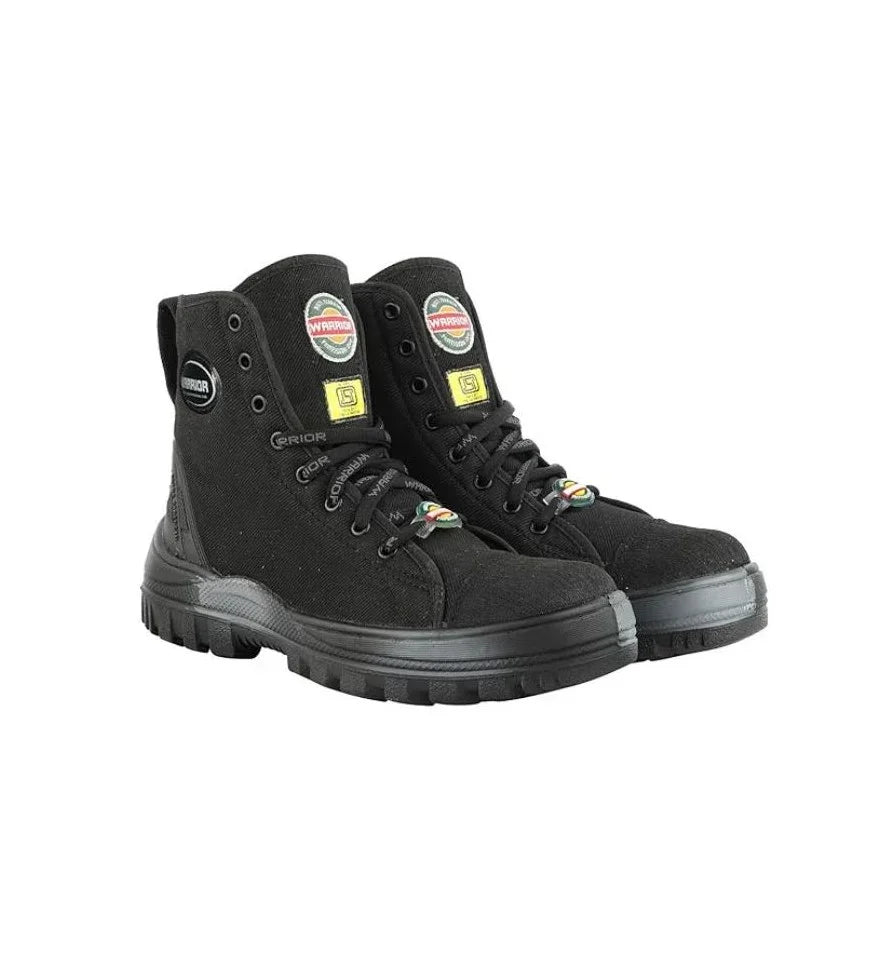
High-ankle boots (8-inch) offer the most support for rough terrain. They're ideal for trekking, forest walks, and field training. Mid-ankle (6-inch) works well for day-to-day outdoor use and drill training.
2. Sole Material & Grip
Look for rubber lug soles with deep grooves. Oil-resistant soles are a bonus if you're on slippery surfaces. Vibram soles are excellent but come at a premium price.
3. Upper Material
- Full-grain leather: Maximum durability, good for parades and rough terrain. Requires regular polishing.
- Nylon/mesh combination: Lighter and more breathable — ideal for summer camps and trekking.
- Split leather: Budget-friendly but less durable over time.
4. Breathability
India's climate demands this. Mesh panels, moisture-wicking liners, and ventilation channels all help prevent the dreaded "boot sweat" that leads to blisters and fungal issues.
5. Weight
Heavy boots cause fatigue on long marches. Look for boots under 800g per pair for trekking. For parade or field training, slightly heavier leather boots are standard and acceptable.
6. Side Zippers
A feature worth paying for if you're regularly in and out of boots. Side-zip designs allow quick on-off without sacrificing fit or support.
7. Water Resistance
Monsoon season in India is real. A waterproof membrane or treated leather upper will save your feet and your mood on rainy treks and camps.
Who Needs What: Boot Guide by User Type
| User | Recommended Boot Type |
|---|---|
| NCC Cadet | DMS leather boot (parade) + lightweight tactical for camp |
| Trekker | Lightweight nylon-mesh, high ankle, good grip |
| Wildlife Enthusiast | Waterproof, camouflage-friendly, quiet sole |
| Security/Guard Duty | Full leather, oil-resistant sole, ankle support |
| Motorcycle Rider | Half-boot style with ankle protection and non-slip grip |
How to Break In Your Tactical Boots
New boots can be brutal if you don't break them in:
- Start slow — wear them for 1-2 hours a day at home
- Use thick socks during break-in period
- Apply leather conditioner to soften full-grain leather
- Walk on varied surfaces to flex the sole naturally
- Never wear brand new boots to a camp or a trek — your feet will pay the price
Care & Maintenance
Good boots last years if maintained well:
- Polish leather boots regularly to prevent cracking and maintain water resistance
- Dry boots naturally after rain — never near direct heat like a bonfire or heater
- Use boot trees or stuff with newspaper to retain shape
- Clean mud promptly — don't let it dry and crack the leather
- Replace insoles every 6-12 months for ongoing comfort
Get Your Tactical Boots at The Adventure Hut
We stock army-grade and tactical boots suited for Indian conditions — from DMS leather boots for NCC cadets to high-performance trekking boots for serious outdoor adventurers. Every pair is selected for durability, grip, and value.
📍 Visit us: Kadbi Chowk, Kamptee Road, Nagpur
🛒 Shop online: theadventurehut.in
📞 Call: +91 76668 17070
0 comments