

Birdwatching is one of the fastest-growing outdoor hobbies in India, and for good reason. India is home to over 1,300 species of birds, and regions like Vidarbha, Nagpur, and central Maharashtra sit right in the heart of some of the most biodiverse landscapes in the country. Whether you're planning a visit to Tadoba Andhari Tiger Reserve, exploring the wetlands of Navegaon, or simply stepping into Ambazari Garden on a Sunday morning, a good pair of binoculars can completely transform your experience.
But here's the problem most beginners face — binoculars can get expensive fast, and most buying guides online are written for international markets. This guide is specifically for Indian birdwatchers and wildlife enthusiasts who want quality optics without spending a fortune.
Why Binoculars Matter More Than You Think
Most first-time birdwatchers try to get by with their phone camera or naked eye. It works for large birds like peacocks or painted storks at close range, but the moment you're trying to spot a Malabar Pied Hornbill in the canopy at Pench, or track a pair of Lesser Flamingos at a distance, you'll immediately realize what you're missing.
A good pair of binoculars gives you:
- Clear magnification without disturbing the bird or animal
- Wider field of view to track moving subjects
- Better low-light performance during dawn and dusk — which is exactly when wildlife is most active
- Less eye strain during long hours in the field
The good news is that under ₹2000, you can find binoculars that genuinely perform well for casual to intermediate birdwatching in Indian conditions. Browse our full range of Binoculars & Telescopes at The Adventure Hut to find the right fit for your budget.
What to Look for in Binoculars Under ₹2000
Before jumping to recommendations, it helps to understand a few basic specs so you're not just going by looks or brand name.
Magnification and Objective Lens (e.g., 8x42, 10x50)
The two numbers you see on every binocular tell you the magnification power and the size of the front lens in millimeters. An 8x42 binocular magnifies 8 times and has a 42mm objective lens. For birdwatching, 8x or 10x magnification is the sweet spot. Higher magnification sounds better but makes it harder to hold steady without a tripod.
Field of View
This tells you how wide an area you can see at a given distance. A wider field of view is better for tracking birds in flight or scanning forest edges. Look for at least 100 meters at 1000 meters distance.
Eye Relief
If you wear glasses, look for binoculars with at least 15mm of eye relief so you can see the full image comfortably.
Coating
Lenses with multi-coating or fully multi-coated lenses give you brighter, clearer images especially in the golden hour light of Indian forests. This matters a lot for birdwatching at Tadoba or Pench where most wildlife sightings happen early morning. Check our binoculars collection — all options are filtered for Indian field conditions.
Build Quality
In Indian conditions — humidity, dust, monsoon moisture — you want rubber-armored bodies that can handle rough use. Waterproof or at least water-resistant construction is a bonus.
Best Use Cases Around Nagpur and Vidarbha
Here's something most national gear guides miss completely — location matters when choosing binoculars.
Tadoba Andhari Tiger Reserve — Dense sal and teak forest with relatively low light under the canopy. You want binoculars with a larger objective lens (40mm or above) for better light gathering. Tigers and leopards are the stars, but Tadoba is also excellent for Grey Junglefowl, Crested Serpent Eagle, and Indian Pitta.
Pench National Park — More open terrain than Tadoba. Great for raptors, bee-eaters, and the famous Indian Giant Squirrel. 8x42 binoculars work very well here.
Navegaon-Nagzira Wildlife Sanctuary — Wetland and forest combination. Excellent for waterbirds like Purple Heron, Painted Stork, and various kingfisher species. Bring your binoculars and a bucket hat — the sun here is unforgiving. Our Boonie Hats are built exactly for this kind of long outdoor exposure.
Ambazari Lake and Garden, Nagpur — Perfect for beginners. You can spot over 80 species here on a good morning without leaving the city. Compact binoculars work fine at this location.
Gorewada Lake, Nagpur — Another excellent city birding spot. Early morning visits between October and February are especially rewarding during winter migration season.
Quick Tips for Birdwatching in Indian Forests
Gear is only part of the equation. Here are a few field tips that make a real difference:
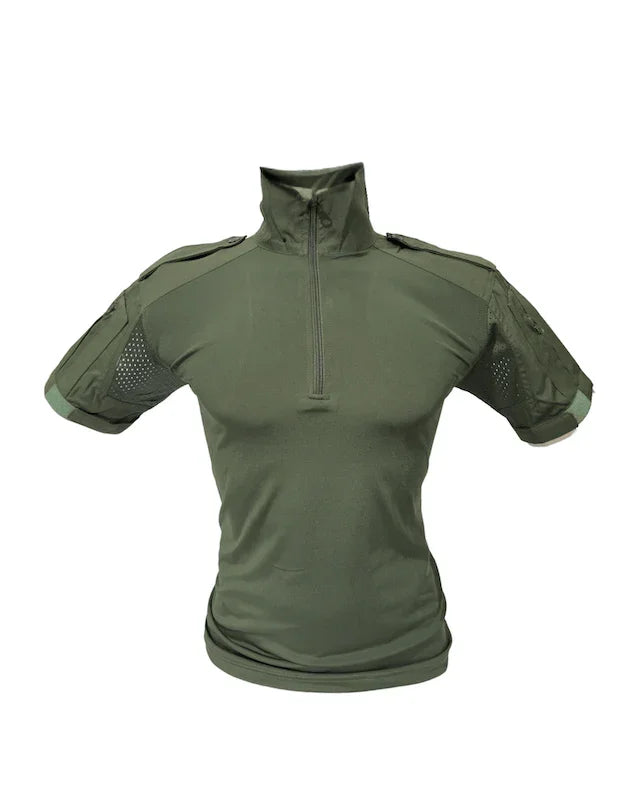
Wear the right colours. Bright colours spook birds and animals. Olive green, khaki, and camouflage patterns help you blend into the forest background. This is especially important if you're doing early morning walks at Tadoba or Pench buffer zones. Our Camo & Outdoor T-Shirts are lightweight, breathable, and designed for exactly this kind of use.
Go early. The golden window for birdwatching in Vidarbha is between 6 AM and 9 AM. Most birds are active, light is beautiful, and temperatures are manageable. The same applies to late afternoon from 4 PM onwards.
Move slowly and quietly. Fast movement and loud conversation are the two fastest ways to clear a forest of birds. Practice slow, deliberate movement and speak in whispers.
Use your ears first. Many birds are heard before they're seen. Learning even 10 to 15 common bird calls of Vidarbha birds will dramatically increase your sighting count.
Carry a field notebook. Jotting down what you see, where, and at what time helps you build a personal sighting log. Over months, you'll start noticing patterns — which spots are productive, which seasons bring which species.
What to Pair with Your Binoculars
Binoculars are just the starting point. To get the most out of your birdwatching trips around Nagpur and Vidarbha, consider building a simple, affordable kit:
- A good camo or olive green outfit makes you far less visible to wildlife and significantly increases your chances of close encounters — explore our Tactical & Outdoor T-Shirts range starting at just ₹699.
- A boonie hat or wide-brim outdoor hat protects from the harsh Vidarbha sun while keeping your profile low. Browse our Hats & Caps collection starting at ₹399.
- A lightweight daypack to carry water, a field guide, and your gear is essential for longer forest walks. Check out our Backpacks & Rucksacks — including trekking-grade options from Wildcraft.
- A paracord survival bracelet is a compact, always-on safety tool for solo nature walkers. Our Paracord Survival Bracelets with Compass & Whistle start at just ₹399 and are a no-brainer addition to any outdoor kit.
You don't need to spend a lot. A practical, functional kit for birdwatching around Nagpur can be put together for under ₹3000 to ₹4000 total — binoculars included.
Final Thoughts
Birdwatching and wildlife watching in Vidarbha is genuinely world-class. Nagpur sits within driving distance of Tadoba, Pench, Navegaon-Nagzira, Melghat, and Bor — five significant wildlife reserves, each with its own unique ecosystem and bird list. Very few cities in India can claim that.
You don't need expensive gear to get started. A decent pair of binoculars under ₹2000, the right clothing to blend in, and an early morning in any of these forests is all it takes to completely fall in love with Indian wildlife.
Start simple. Go local. Explore Vidarbha.
Ready to gear up for your next wildlife trip? Visit The Adventure Hut — Nagpur's outdoor gear store built for nature enthusiasts like you. We also have a physical store at Kadbi Chowk, Kamptee Road, Nagpur if you'd like to see the gear in person before buying.
0 comments